Do I Need To Go Through Immigration From Hong Kong To Macau?
Yes, Hong Kong and Macau run separate immigration systems. What documents you need, how the ferry and bridge crossings work, and how much slack to leave before a show.
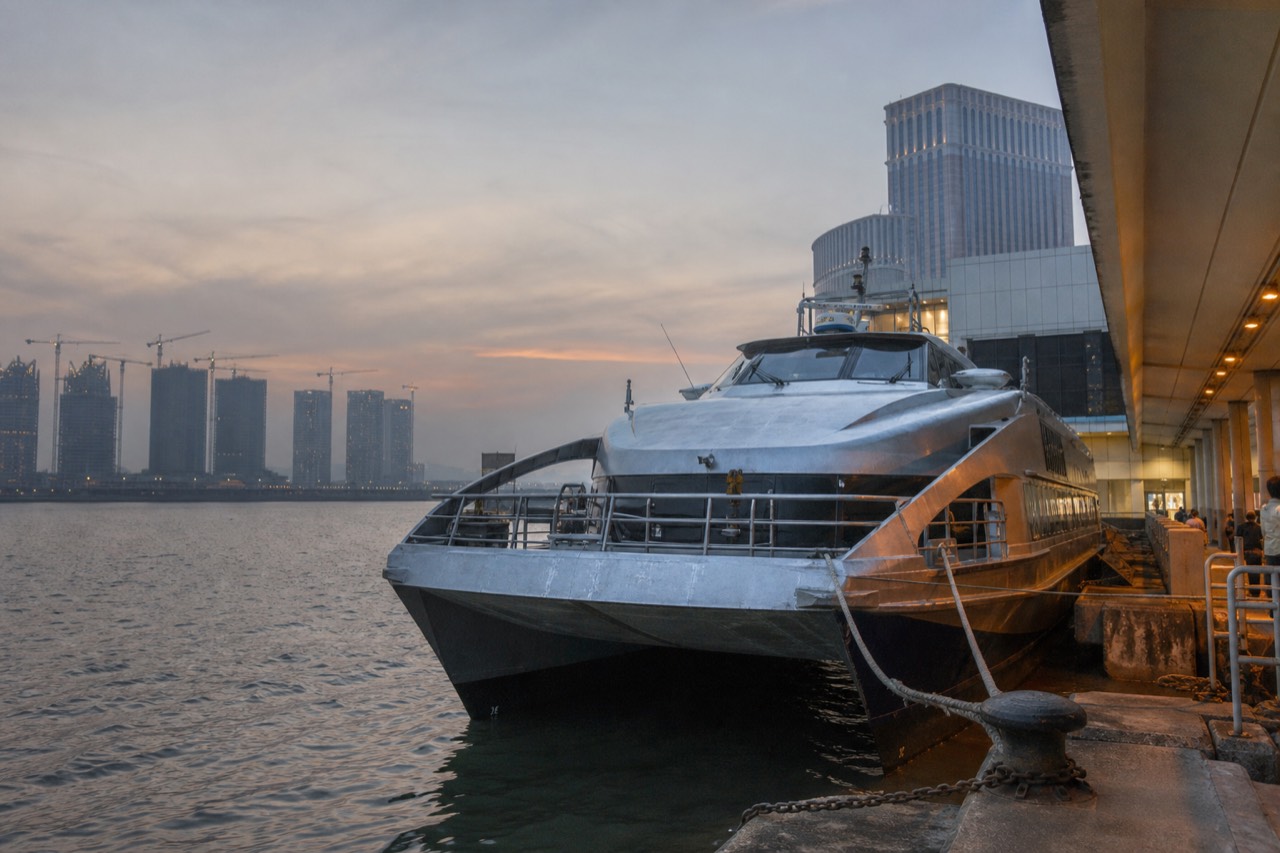
A catamaran slides out of Sheung Wan, the Hong Kong skyline tilting astern, and roughly an hour later the gangway drops in Macau, where a second set of immigration counters clears you into a second customs territory. Both cities are part of China. The border between them is real anyway, and treating the crossing like a domestic hop is the most common way travellers wreck a Macau evening.
The question matters most on show nights. The House of Dancing Water raises its curtain at the Dancing Water Theater inside City of Dreams, on the Cotai side of Macau, and a missed immigration window is a missed performance. This page walks through what the border actually involves, which documents work for whom, what each crossing option costs and publishes about its own timings, and how much buffer a sensible visitor leaves between the Hong Kong departure point and the theatre door.
Do I Need To Go Through Immigration From Hong Kong To Macau?
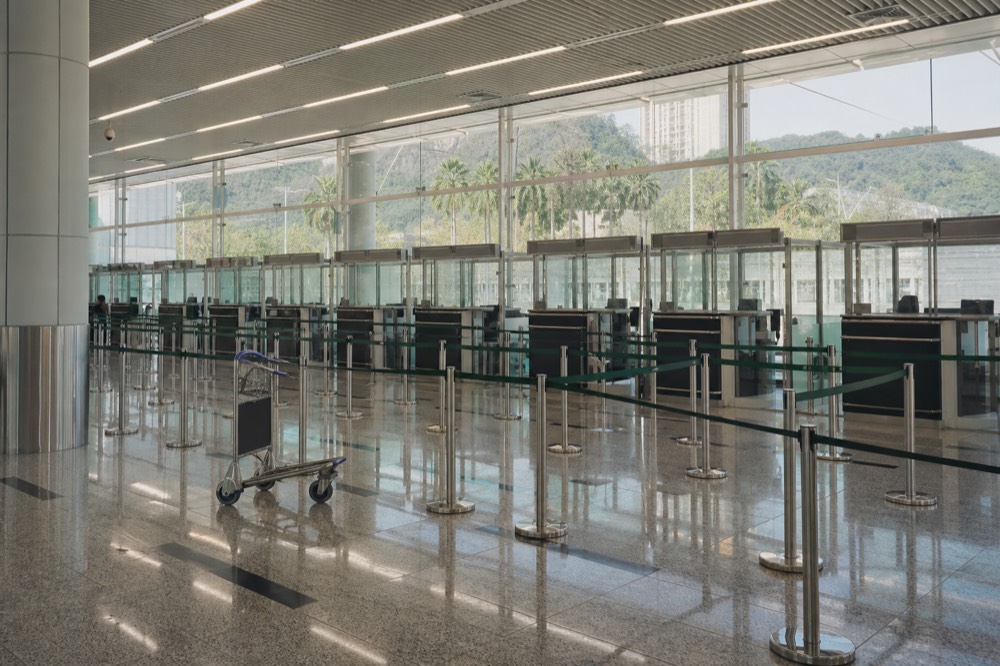
Yes. Hong Kong and Macau each run their own immigration system, so crossing between them means leaving one and entering the other. You clear Hong Kong departure checks and then Macau arrival checks at your point of entry, whether that is a ferry terminal or the bridge port. Almost everyone needs a valid travel document, and the length of stay granted depends on which passport you carry.
Hong Kong and Macau are both Special Administrative Regions of China, and each operates its own immigration and customs controls independently of the other. Travelling between them is an international-style border crossing, not a domestic transfer. Macau's arrival control sits at your point of entry: the ferry terminal at Taipa or at the Outer Harbour, or the Macau Port of the Hong Kong Zhuhai Macau Bridge. There is no free-flow arrangement of the kind that exists between ordinary cities on the mainland.
What that means in practice is that everyone boards with a valid travel document, and which document depends on who you are. Holders of foreign passports use their passport. Hong Kong permanent residents enter on their Permanent Identity Card or Re-entry Permit and are granted up to a year. Mainland Chinese visitors travel on the Two-way Permit, for the duration endorsed on it. Taiwan residents enter on a valid permit for the duration endorsed. The stay granted to foreign passport holders varies by nationality, and the differences are larger than most guides admit, which is the subject of the next section.
The border also runs customs, not just immigration. Macau sets its own duty allowances and its own import prohibitions, and a couple of them catch visitors crossing from Hong Kong every single day. Electronic cigarettes, for instance, cannot be imported at all, and the tobacco allowance is measured in nineteen cigarettes, not cartons. If you are carrying anything unusual, read the section on what you cannot bring before you pack.
For anyone crossing for the evening performance, the practical takeaway is simple: the border is a real step in your schedule, it happens on both sides, and it deserves the same planning attention as the ticket in your pocket. The seat options below are the ones most evening visitors compare before they lock in a crossing time.
One more framing point. Because the two systems are separate, your Hong Kong stay and your Macau stay are counted independently. Time in Macau does not consume time in Hong Kong and vice versa, but each entry is its own decision made by its own officers, on its own terms. Nothing about holding a Hong Kong visa or entry permission entitles you to Macau, and the reverse is equally true.
What Documents Do You Need To Enter Macau From Hong Kong?
Most travellers need a passport, and the stay granted depends on nationality. British citizens get up to six months visa-free, EU and Schengen passport holders up to 90 days, and holders of US, Canadian, Australian, Singaporean, Malaysian, Japanese, South Korean, Filipino and Indonesian passports up to 30 days. Hong Kong permanent residents enter on their identity card for up to a year; mainland visitors use a Two-way Permit.
The authoritative list of visa-free stay lengths is published by the Macao SAR government's immigration service, and it is worth reading directly because the numbers surprise people. The blanket "30 days for everyone" line that circulates in older guides is simply wrong for two large groups. British citizens may stay up to six months. EU and Schengen passport holders may stay up to 90 days. Everyone else on the common list, including US, Canadian, Australian, Singaporean, Malaysian, Japanese, South Korean, Filipino and Indonesian passport holders, gets up to 30 days, while Brunei and Kazakhstan passport holders get up to 14.
| Who is travelling | Document used | Visa-free stay granted |
|---|---|---|
| British citizens | Passport | Up to 6 months |
| EU and Schengen passport holders | Passport | Up to 90 days |
| US, Canadian, Australian, Singaporean, Malaysian, Japanese, South Korean, Filipino, Indonesian passports | Passport | Up to 30 days |
| Brunei and Kazakhstan passports | Passport | Up to 14 days |
| Hong Kong permanent residents | Permanent Identity Card or Re-entry Permit | Up to 1 year |
| Mainland Chinese visitors | Two-way Permit | Duration endorsed on the permit |
| Taiwan residents | Valid entry permit | Duration endorsed on the permit |
The asymmetry in that table is the part worth internalising. A British visitor planning a long Asian trip can base themselves in Macau for months, while an American visitor on the same itinerary is counting weeks. Neither should rely on the other's rules. And because the stay is granted at entry by Macau's own officers, the document you present is the document that determines everything: there is no workaround, no grace period worth betting an evening on, and no border officer on either side who can extend the other jurisdiction's rules.
Two practical notes round this out. First, the length of stay is counted from your entry into Macau, not from your departure from Hong Kong, so a day trip and a week-long stay start the same clock. Second, nothing in the published rules requires foreign visitors to hold a visa for short stays from the listed nationalities, but the list is the list: if your passport is not on it, check the government page before you travel rather than assuming the most generous case applies to you.
Ferry Or Bridge: Which Crossing Should You Use From Hong Kong To Macau?
Both work, and the right one depends on where in Macau you are headed. The ferry lands at the Outer Harbour on the peninsula, or at Taipa on the Cotai side, and the operator publishes a sailing time of about 60 minutes. The bridge bus runs 24 hours from HK$65, but its operator publishes no crossing duration, so budget slack you do not need.
Start with the ferry, because most show-goers use it. Only one Hong Kong terminal has scheduled Macau sailings: the Hong Kong Macau Ferry Terminal at Sheung Wan. The China Ferry Terminal in Tsim Sha Tsui keeps a ticketing office and kiosk but no Macau departures, a trap that catches anyone following a pre-2020 guide. Confirm sailings on the operator's sailing schedule rather than a reseller page.
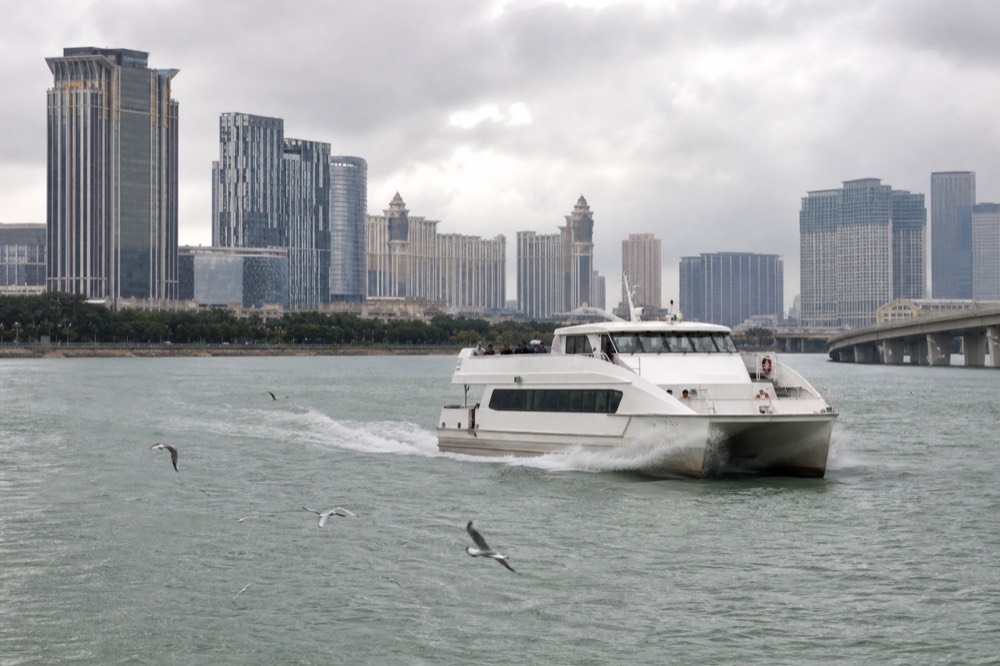
Two operators run from Sheung Wan, and they land in different places. TurboJET's main service arrives at the Outer Harbour terminal on the Macau peninsula. Cotai Water Jet arrives at Taipa, the Cotai-side terminal, which is the relevant one for City of Dreams and the Dancing Water Theater. Published economy fares on TurboJET are HK$194 for a weekday day sailing, HK$212 on weekends and public holidays, and HK$242 at night, with premium cabins priced well above. Cotai Water Jet's Cotai Class is HK$192 weekday, HK$209 weekend and holiday, HK$242 night. TurboJET states a sailing time of about 60 minutes for the crossing; that is the operator's own figure, not a door-to-door promise.
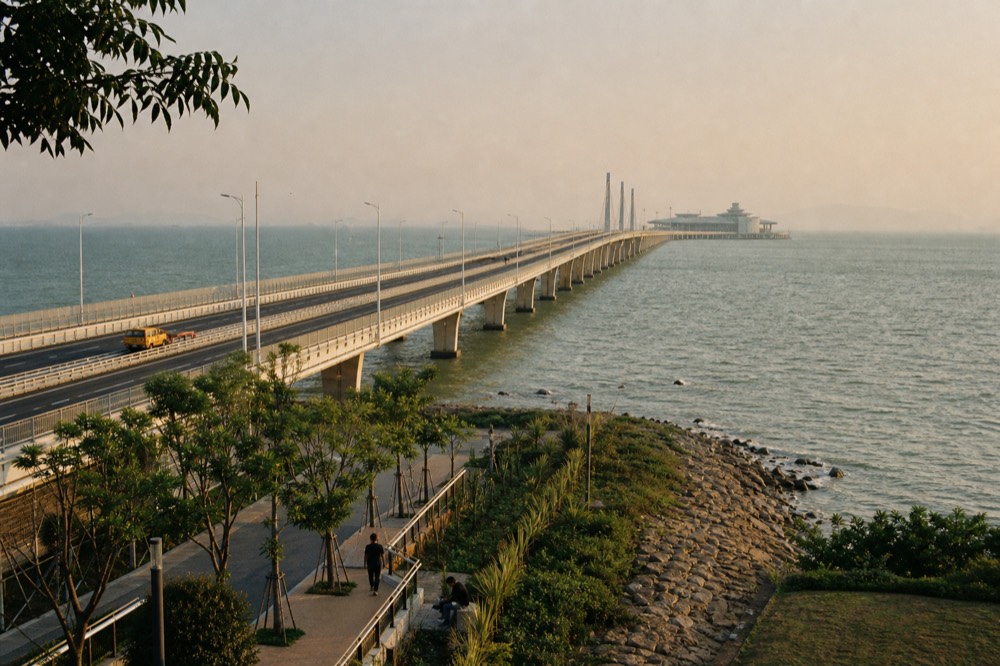
The alternative is the Hong Kong Zhuhai Macau Bridge shuttle, the Golden Bus, which the HZMB bus operator runs 24 hours a day between the Hong Kong Port and the Macau Port of the bridge. A one-way fare is HK$65 daytime and HK$70 overnight, with concession fares of HK$33 and HK$35 for children under 12 or under 1.2 metres, passengers with disabilities, and seniors aged 65 and over. Children under 3 years or under 95 centimetres travel free. Departures run every 5 to 10 minutes at daytime peak and every 30 minutes overnight. Crucially, the operator does not publish a crossing duration, so treat any number you see elsewhere with suspicion and leave generous slack.
| Crossing | Departs | Arrives | Published fare | Published duration |
|---|---|---|---|---|
| TurboJET ferry | Sheung Wan ferry terminal | Outer Harbour, Macau peninsula | HK$194 weekday day, HK$212 weekend and holiday, HK$242 night | Approx. 60 minutes, per the operator |
| Cotai Water Jet | Sheung Wan ferry terminal | Taipa, Cotai side | HK$192 weekday, HK$209 weekend and holiday, HK$242 night | Not published for this route |
| HZMB Golden Bus | Hong Kong Port of the bridge | Macau Port of the bridge | HK$65 day, HK$70 overnight | Not published |
Which to pick? If you are staying on the Cotai side and heading straight to City of Dreams, the Taipa ferry puts you on the right side of the island, and the resort runs free shuttles from the ferry terminals, the airport, the HZMB port and the border, though Melco publishes its schedule as images rather than a text table, so check the resort's own getting-here page for routes. The bridge bus is the fallback that never stops running: overnight, when the ferries thin out, a 24-hour shuttle at 30-minute headways is the difference between making a morning show and not. For a deeper comparison of sailings, cabins and terminals, the Hong Kong to Macau ferry guide breaks down the operators, and the rundown of the cheapest ways to get to Macau from Hong Kong covers the budget end of the same question.
One ferry myth deserves killing before it costs anyone a flight connection. The SkyPier transfer at Hong Kong International Airport, which once let arriving passengers board a Macau ferry without entering Hong Kong, is not running as a regular scheduled public service. Remaining SkyPier activity is charter or subject to adjustment. If you fly into Hong Kong expecting to ferry straight across airside, you will be clearing Hong Kong immigration and making your way to Sheung Wan like everyone else.
What Can You Not Bring Through Macau Immigration?
Two rules catch people. Macau bans the import of electronic cigarettes outright, and the tobacco allowance is 19 cigarettes, or one cigar under three grams, or 25 grams of tobacco leaf per person per day; anything above that must be declared at the red channel. Hong Kong dollars circulate widely in Macau in practice, though change usually comes back in patacas.
The e-cigarette ban is total and it is enforced at the border, not just in shops. Vapers crossing from Hong Kong, where devices are sold legally, routinely lose theirs at Macau customs. The US State Department's country information lists e-cigarettes as prohibited or controlled for import, so this is not a technicality that got mis-translated somewhere.
The tobacco allowance is stricter than almost anywhere in the region: 19 cigarettes per person per day, or one cigar under three grams, or 25 grams of tobacco leaf, under Administrative Orders 209/2021 and 208/2022. Excess must go through the red channel and may attract duty or a penalty. A carton bought duty-free in Hong Kong is not a personal-use quantity in Macau's eyes, and "per person per day" means exactly that, not a rolling allowance you can top up tomorrow.
Money is the other border-adjacent question. The Macanese pataca is linked to the Hong Kong dollar at a fixed HKD 1 to MOP 1.03 under a currency board with full foreign-exchange reserve backing, and because the Hong Kong dollar is itself linked to the US dollar, the pataca sits at roughly MOP 8 to USD 1. In practice, Hong Kong dollars circulate widely in Macau, commonly at or near par, and your change usually comes back in patacas. Two honest caveats: this is common shop practice rather than official policy, and a shop accepting Hong Kong dollars at par is quietly keeping the three percent difference, so the pataca you get back is worth slightly less than the Hong Kong dollars you handed over. Patacas, meanwhile, are generally not accepted back in Hong Kong, so spend them before you cross home.
None of this makes the border hostile. It makes it a border. Pack accordingly, declare what the rules say to declare, and the crossing is a formality measured in minutes of patience rather than anything dramatic.
What Happens To The Hong Kong To Macau Border In A Typhoon?
When Tropical Cyclone Signal 8 is hoisted, ferries and the HZMB bridge buses suspend service, which is how a planned evening show becomes a missed one. The show itself announces on the official website whether a performance proceeds as a signal approaches. Build a fallback into any show-day crossing plan.
Macau runs a numbered tropical cyclone warning system, and the numbers matter to travellers at exactly one threshold. Signal 1 is standby, with a storm centre within 800 kilometres. Signal 3 is strong wind. Signal 8 is gale or storm force, and it is at Signal 8 and above that the crossings shut down: ferries, the HZMB shuttle buses and other transport services all suspend, as does a long list of ordinary city services. The government's suspension notice spells out the full scope, including free resort shuttle buses and tourist counters.
The seasonal context is worth knowing. The typhoon season runs June to October, and the official 2026 seasonal forecast estimated five to eight tropical cyclones affecting Macau, a normal to slightly above-normal count. August and September are the months where a show-day plan intersects most often with the warning system, and the 2026 season has already been active.
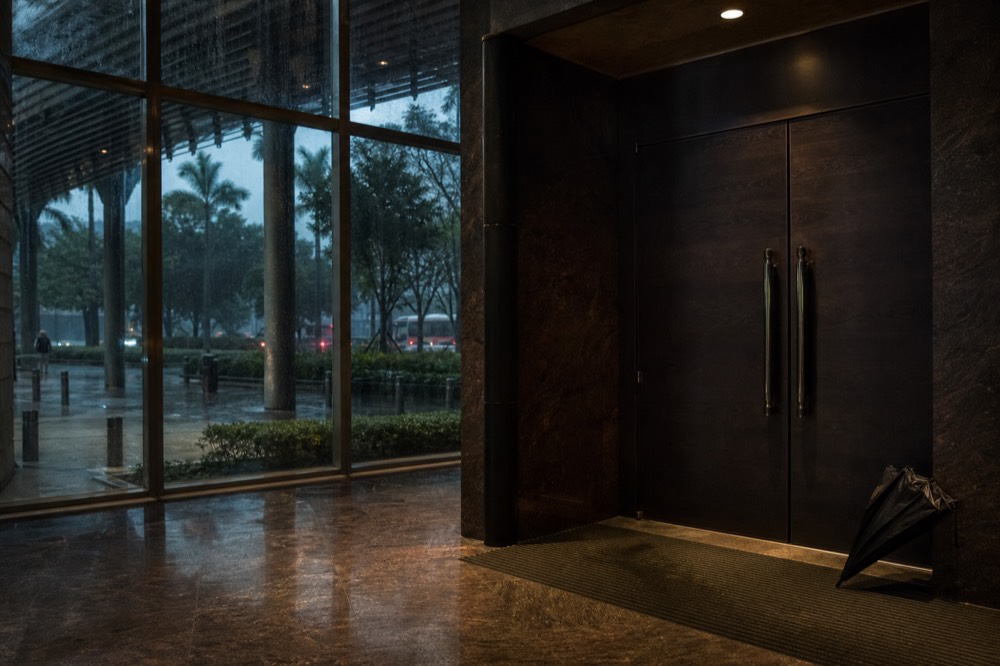
What this means for a show ticket is a two-part risk. First, the transport risk: if Signal 8 goes up before you cross, you are not crossing, and if it goes up after the show, you are potentially not crossing back that night either. One reviewer on the live listing described exactly this shape of problem after a late show ended, struggling to reach the Taipa ferry terminal in time. Second, the performance risk: the show's own policy is that when Signal 8 approaches, the theatre announces on the official website whether the performance proceeds. That is the operator's stated process, and it is the only reliable source for a go or no-go decision on the night.
Do not build a plan with no slack in it. A typhoon-season crossing between Hong Kong and Macau can be disrupted without much notice, and the show keeps its own calendar, dark on Mondays and Tuesdays, with performances at 16:30 and 19:30. The honest advice is older and duller than any contingency: cross early on show day, keep the evening loose, and treat a typhoon-season booking as a plan with a known failure mode you have consciously accepted.
How Much Time Should You Leave Before A House of Dancing Water Show?
Arrive at the theatre at least 15 minutes before curtain, and allow a full hour if you need to collect a physical ticket. Performances run Wednesdays to Sundays with the theatre dark on Mondays and Tuesdays, and listed showtimes of 16:30 and 19:30 are seasonal and can change. Check the operator's calendar for your exact date before booking a ferry around it.
The theatre's own rules set the floor. Ticket holders must arrive at least 15 minutes before the show starts, and anyone collecting a physical ticket should do so at least one hour before curtain. Latecomers are admitted only at appropriate times as instructed by staff, which in a show built on continuous aquatic spectacle can mean missing a meaningful stretch of the opening. The performance runs about 90 minutes with no intermission, so there is no natural catch-up point once you are inside.
| Planning item | Timing |
|---|---|
| Collect a physical ticket at the theatre | At least 1 hour before showtime |
| Arrive at the theatre | At least 15 minutes before showtime |
| Listed evening showtime | 19:30, seasonal |
| Listed matinee showtime | 16:30, seasonal |
| Show length | About 90 minutes, no intermission |
| Dark days | Normally Monday and Tuesday, plus designated dates |
Now stack the border underneath that. The ferry operator publishes a sailing time of about 60 minutes, but that is hull-to-berth, not door-to-door, and it excludes the immigration steps on both ends, the transfer from the terminal to the resort, and the ticket-collection hour if you need it. A comfortable pattern for the 19:30 evening show is a ferry arriving on the Cotai side in the late afternoon, which leaves room for a slow transfer, dinner, and the theatre foyer rather than a sprint. Anyone cutting it finer than that is betting a ticket on three separate systems running perfectly in sequence.
The ticket itself is the easy part. The show is rated 4.8 across about 20,165 reviews on the live listing, with 400,000-plus booked over the listing's life, a count that spans the earlier production and the current one, so read it as a measure of longevity rather than a season's attendance. Tickets start from about $54.95 per person, and the seat zones range from Gallery up through Signature and Grand to Premium and Golden Circle, with the first two rows of every section sold as splash-area seating where waterproof gear is provided on the seats.
Two date traps close the planning loop. The showtimes of 16:30 and 19:30 are the listed times for the June to October 2026 period, but times are seasonal and have shifted between 16:30 and 19:30 and 17:00 and 20:00 across the year, and the official show page does not publish a day-and-time table at all. The theatre is normally dark on Mondays and Tuesdays plus designated dates, and a dark period of 7 to 22 September 2026 is listed on retail schedules. Confirm the exact performance calendar before you book a ferry around it. This site, House of Dancing Water Tickets, treats that check as step one of every itinerary, because the border crossing is the flexible part of the evening and the curtain time is fixed.
If you are building a longer trip around the crossing rather than a single evening, the guide to how many days to spend in Macau covers how the peninsula and Cotai sides divide up, and it changes how early you need to cross on show day. A visitor staying overnight in Cotai can walk to the theatre; a day-tripper from Hong Kong is stacking a ferry, a border and a shuttle against a fixed curtain.
The short version of everything above: yes, you clear immigration both ways; yes, your passport and nationality determine your stay; and yes, the crossing deserves a real buffer on show nights. Pick your seat zone, pick your crossing, and leave more room than feels necessary.
Yes, immigration is required in both directions between Hong Kong and Macau, because each region runs its own border controls. Foreign passport holders present a passport, Hong Kong permanent residents use their identity card, and mainland visitors use a Two-way Permit. Stay lengths vary by nationality, ferries and the bridge bus both involve clearance, and typhoon-season suspensions can close the crossing entirely. The answers below cover the questions travellers ask most.
Common Questions About Immigration From Hong Kong To Macau
Do I Need To Go Through Immigration From Hong Kong To Macau?
Yes. Hong Kong and Macau operate separate immigration systems, so you leave one jurisdiction and enter the other. Macau's arrival checks take place at your point of entry, whether the ferry terminal at Taipa or the Outer Harbour, or the Macau Port of the bridge, and almost everyone needs a valid travel document.
Do I Need A Passport To Travel From Hong Kong To Macau?
Most visitors do. Foreign passport holders use their passport. Hong Kong permanent residents enter on their Permanent Identity Card or Re-entry Permit, mainland Chinese visitors travel on the Two-way Permit, and Taiwan residents enter on a valid permit.
How Long Can I Stay In Macau Without A Visa?
It depends on your passport. British citizens get up to six months, EU and Schengen passport holders up to 90 days, holders of US, Canadian, Australian, Singaporean, Malaysian, Japanese, South Korean, Filipino and Indonesian passports up to 30 days, and Brunei and Kazakhstan passport holders up to 14 days.
Can I Take A Ferry From Hong Kong Airport Straight To Macau?
Not as a regular scheduled public service. The SkyPier transfer at Hong Kong International Airport is not running as a normal ferry connection; remaining activity is charter or subject to adjustment. Scheduled Macau sailings depart from the Sheung Wan ferry terminal.
What Happens To Transport Between Hong Kong And Macau In A Typhoon?
At Tropical Cyclone Signal 8 and above, ferries and the HZMB bridge shuttle buses suspend service along with other transport. The show announces on the official website whether a performance proceeds when a Signal 8 approaches, so check both the warning status and the theatre's announcement before travelling on a stormy show day.
Can I Use Hong Kong Dollars In Macau?
In practice, yes, widely and commonly at or near par, though this is shop practice rather than official policy and your change usually comes back in patacas. The pataca is pegged at HKD 1 to MOP 1.03, so paying at par costs you roughly three percent. Patacas are generally not accepted back in Hong Kong.