What Is Macau Most Famous For?
Macau is famous for three things at once: the world's largest casino market, a UNESCO-listed Portuguese colonial old town, and The House of Dancing Water, the resident water spectacular at City of Dreams.
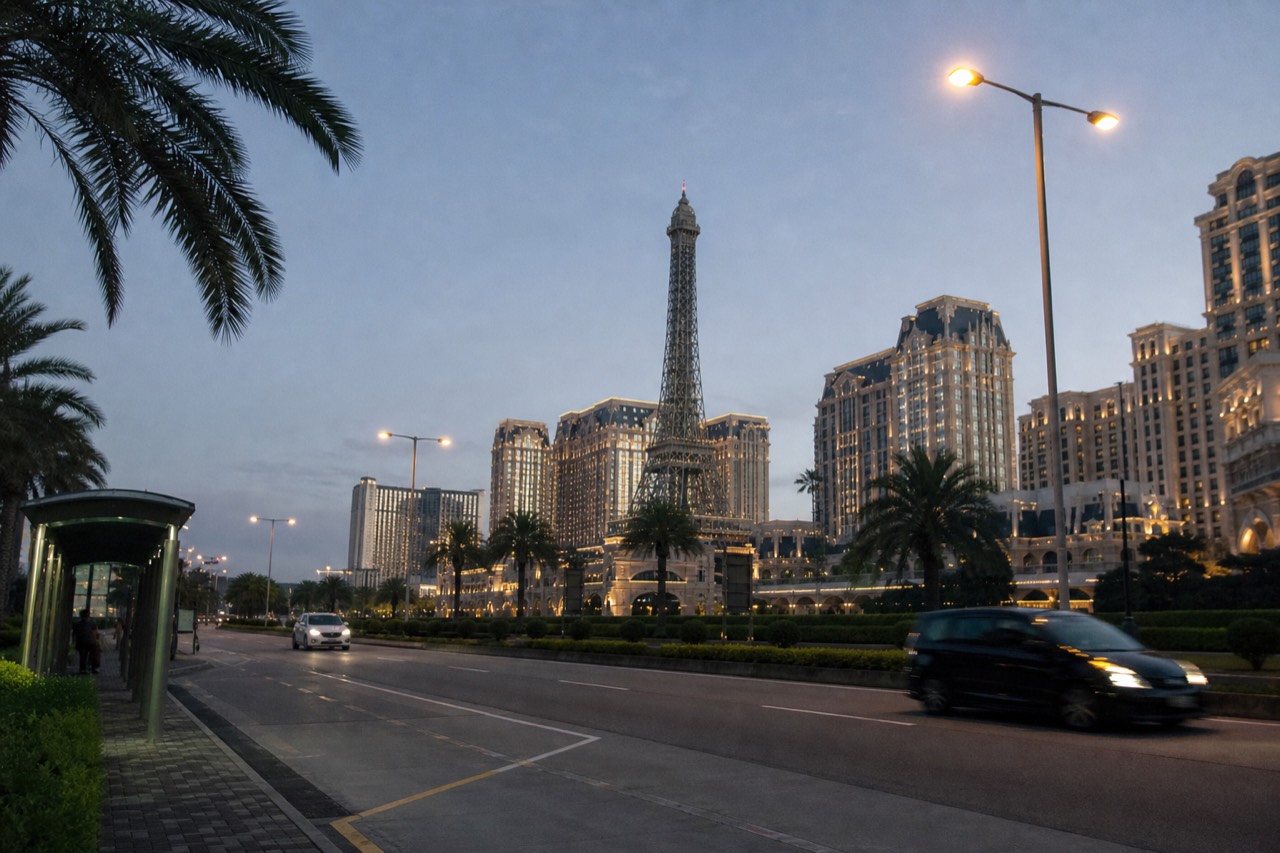
Ask most people what Macau is famous for and the answer comes back in one word: casinos. That answer is not wrong, exactly, but it is only a third of the story, and it is the least interesting third. The same small peninsula and Cotai strip that host one of the world's great gaming markets also hold a centuries-old Portuguese colonial old town, a food culture that grew out of two empires colliding, and a resident theatrical production built around a 17-million-litre pool that has no real rival anywhere in Asia.
What Is Macau Most Famous For?
Macau is most famous for three things together: its casinos, which make it one of the largest gaming destinations on earth; its Historic Centre, the Portuguese colonial old town that earned World Heritage status; and The House of Dancing Water, the resident water spectacular at City of Dreams that relaunched in May 2025 and is now approaching one million audience members. Most visitors come for the first and leave surprised by the other two.
The casino reputation is earned and enormous, but it is also the shallowest read of the place. Macau was a Portuguese trading post for centuries before a single baccarat table arrived, and the layered result, Chinese temples beside baroque churches, egg tarts beside congee shops, is what the UNESCO listing actually recognises. Then there is the third pillar, the one almost nobody outside the region expects: a purpose-built theatre holding 17 million litres of water, roughly five Olympic pools' worth, where a company of nearly 300 cast and crew from more than 30 countries performs a 90-minute show with no intermission.
That show, The House of Dancing Water, sits at the centre of this site's purpose, and it deserves its place in the fame answer for a simple reason: it is the only ticketed large-scale resident theatrical production of its kind currently running in Macau. The competition is thinner than most guides admit, as we will see.
Here is the honest fame ledger at a glance:
| What Macau is famous for | The reality behind the fame | Where you experience it |
|---|---|---|
| Casinos and gaming | One of the largest gaming markets in the world, housed in integrated resorts | Cotai strip and the peninsula |
| Portuguese colonial heritage | A World Heritage-listed old town of churches, squares and temples | Historic Centre, Macau peninsula |
| The House of Dancing Water | A 17-million-litre water stage, nearly 300 cast and crew, about 90 minutes | Dancing Water Theatre, City of Dreams, Cotai |
| Macanese food | Fusion cuisine from centuries of Portuguese and Chinese exchange, plus 21 Michelin-starred restaurants | Citywide, from street stalls to fine dining |
| Events calendar | Grand Prix street race, fireworks contest, international music festival | Varies by season |
If you already know you want the show, the standard seat tiers start with Gallery, the entry level, and step up through Signature and Grand.
Why Do The Casinos Dominate Macau's Reputation?
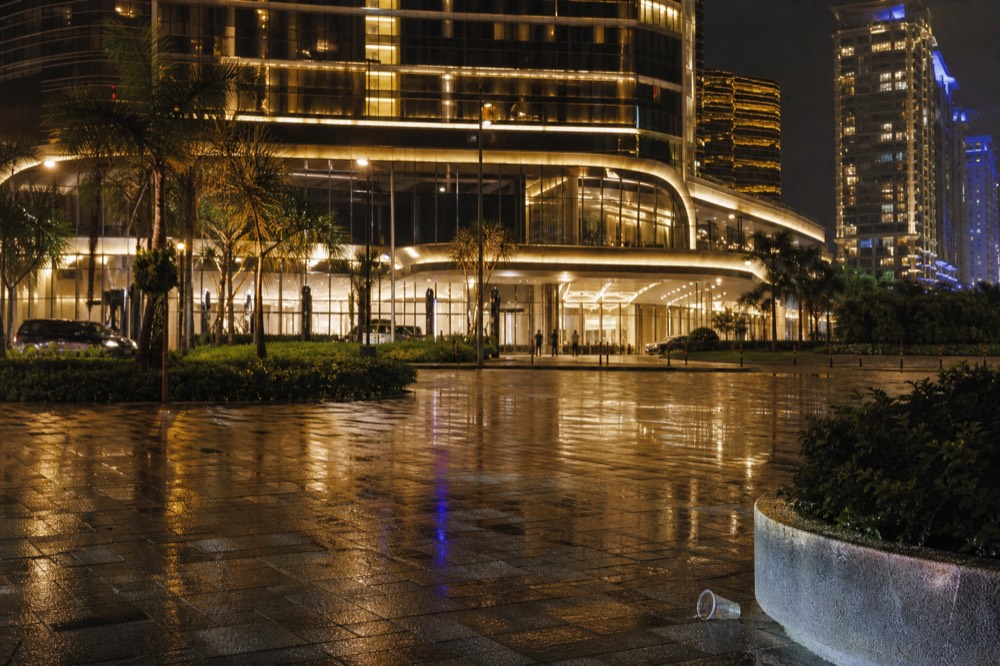
The casinos dominate because of scale and history: Macau kept gaming legal through decades when almost nowhere else in the region did, and after liberalisation in the 2000s it became the highest-grossing gaming market in the world, overtaking Las Vegas in revenue. The Cotai strip, reclaimed land between Taipa and Coloane, now carries a wall of integrated resorts that defines the skyline most visitors photograph first.
The modern chapter matters for visitors because the resorts are not just gambling halls. City of Dreams, the Venetian, Galaxy, Studio City and the Londoner are complete entertainment complexes: hotels, Michelin-starred dining, theatres, attractions and shopping malls under one roof. The 2026 Michelin Guide for Hong Kong and Macau carries 98 starred restaurants, 21 of them in Macau, and five restaurants inside Melco's Macau properties alone hold eight stars between them, including three stars for Jade Dragon at City of Dreams itself.
The market is also visibly healthy. Macau's hotel occupancy ran at 90.6 percent for the first seven months of 2026, the highest for that period since 2019, and official statistics put five-star occupancy for the first half of the year at 93.8 percent. Whatever else Macau is famous for, people are still coming in enormous numbers.
One honest caveat: the casino fame is exactly why a lot of visitors under-plan the rest. If gambling does not interest you, the resorts are still worth walking through, and the surrounding city rewards a full day or two. The Venetian Macao, for instance, is running a phased room refurbishment programme scheduled through 2027 and 2028, a sign that the biggest properties keep reinvesting rather than resting on the gaming floor. Our guide to things to do in Macau at night covers the non-gaming evening options, including the show.
What Is The Portuguese Side Of Macau Famous For?
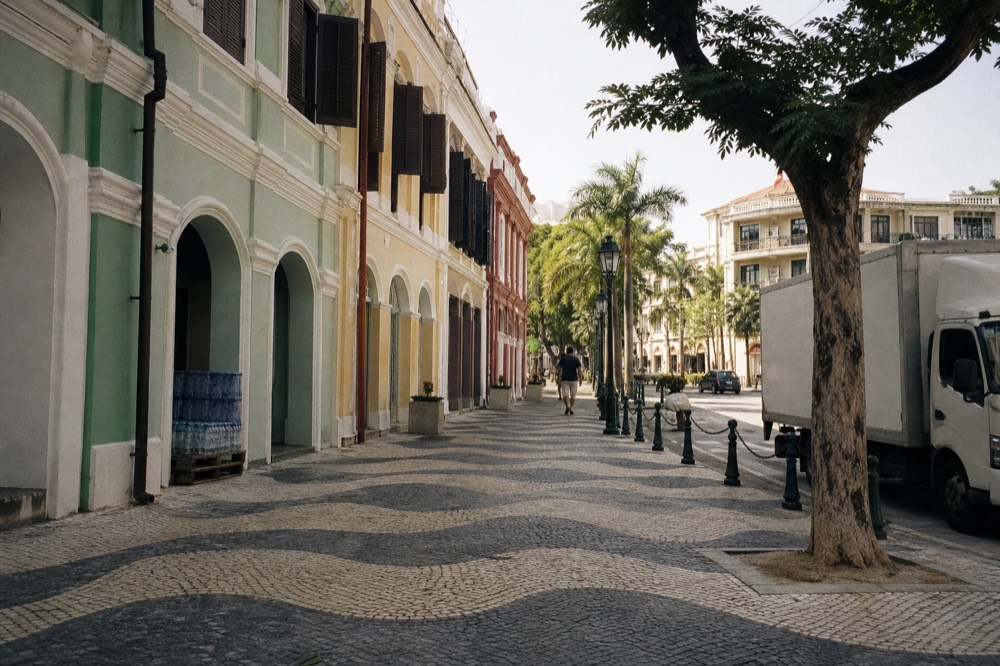
Macau's Portuguese side is famous for being the oldest European settlement in East Asia: a trading post governed by Portugal until the handover to China. The result is a Historic Centre of baroque churches, colonial squares and Chinese temples sitting side by side, a fusion you cannot see anywhere else in China, plus a Macanese cuisine born from centuries of exchange between the two cultures.
The detail most visitors miss is that the two heritages are not in separate districts. The A-Ma temple, the folk shrine that likely gave Macau its name, and the ruins of St Paul's, the baroque church facade that is the city's single most photographed sight, belong to the same walkable old town. Pastel colonial buildings, cobbled lanes and Mediterranean-style squares sit minutes from Chinese clan halls and street markets. That density is why the whole ensemble was inscribed as a World Heritage site rather than any single monument.
The Portuguese legacy also explains the money in your pocket. Macau keeps its own currency, the pataca, which the Monetary Authority pegs to the Hong Kong dollar at a fixed rate, and the authority guarantees full convertibility into Hong Kong dollars. Hong Kong dollars circulate widely in practice, usually at or near par, though change tends to come back in patacas. It is a two-currency city, which surprises first-timers, and because the Hong Kong dollar is itself linked to the US dollar, the pataca sits at roughly MOP 8 to USD 1. Prices move slowly, which makes budgeting easier than in most travel destinations.
What Is The House of Dancing Water And Why Is It Famous?
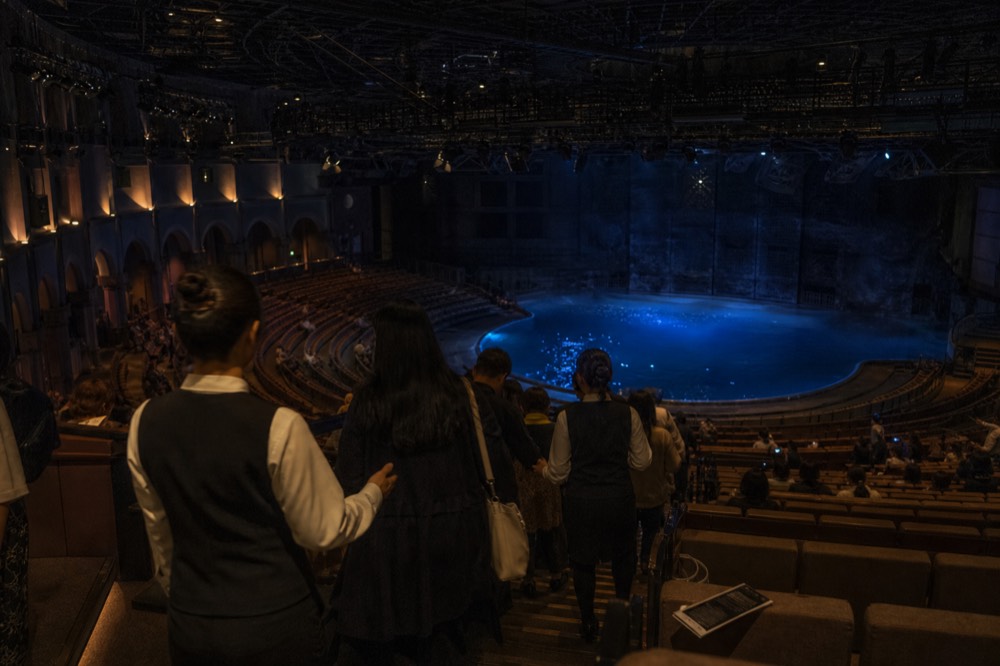
The House of Dancing Water is a water-based acrobatic spectacular at the Dancing Water Theatre inside City of Dreams, running about 90 minutes with no intermission. It performs in a 270-degree theatre-in-the-round around a pool holding 17 million litres of water, with a cast and crew of nearly 300 from over 30 countries. The current production relaunched in May 2025 under artistic director Giuliano Peparini.
The engineering is the part that lands with people who have seen everything. Eight 10-ton hydraulic elevators convert the 65-foot centre performance area from water to solid floor; more than 239 water jets fire fountains up to 18 metres; divers enter the water from heights of up to 25 metres. There is no dialogue at all, the performers tell the story entirely through acrobatics, which is why the show travels well across every language in the audience. The venue seats nearly 2,000 people, including 20 wheelchair positions, and the first two rows of every section sit in the splash zone, where waterproof gear is provided on the seats.
It is also, quietly, a civic institution now. The show's team received the Medal of Merit, Tourism, from the Macao SAR Government at a ceremony in January 2026, and Melco's own Q2 2026 filing credits the relaunch as the primary driver of higher non-gaming revenues at City of Dreams. Reported figures have the reimagined production on track to pass one million audience members, a milestone no other live production in the city is close to.
The fame question has a sharper edge here too. Macau's only real large-scale resident-show rival of recent years, Elekron at Studio City, is not currently selling tickets on the operator's own channels, even though some reseller listings still show it. And the last comparable global production, Cirque du Soleil's Zaia at the Venetian, closed back in 2012. The House of Dancing Water is not just famous; it is effectively the only show of its kind standing.
Tickets for the show start from about $54.95 per person, and the listing carries a 4.8 rating across roughly 20,165 reviews with more than 400,000 bookings over its lifetime, a figure that spans the original 2010 production as well as the relaunch. If you are planning around the show itself, House of Dancing Water Tickets is the site's home base for seat tiers, show times and booking.
What Else Is Macau Famous For Beyond Casinos And Heritage?
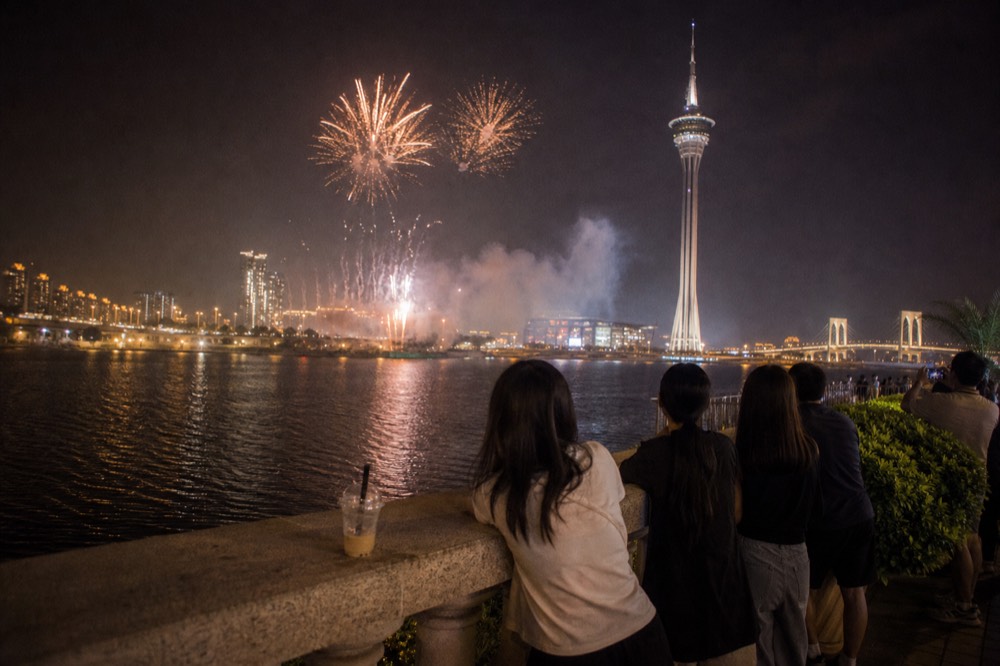
Beyond casinos and heritage, Macau is famous for its events calendar: the Macau Grand Prix in November, one of the world's great street circuit races; the Macao International Fireworks Display Contest over Macau Tower in September and October; the Macao International Music Festival each autumn; and a food scene that runs from three-starred fine dining to legendary street snacks. The city is also famous for being compact: everything famous sits within a few square kilometres.
The 2026 versions are concrete. The 73rd Macau Grand Prix runs 19 to 22 November 2026, and hotel rates across the city spike that week, which matters if you are booking a show ticket around it. The 34th Fireworks Display Contest lights up on 12, 19 and 25 September and 1 and 4 October 2026, two displays each night at 21:00 and 21:40. The 38th Macao International Music Festival runs 2 October to 29 November 2026. Here is the calendar at a glance:
| Event | 2026 dates | Why it matters for a show visit |
|---|---|---|
| Macao International Fireworks Display Contest | 12, 19, 25 September and 1, 4 October | Displays at 21:00 and 21:40 pair well with an afternoon show |
| Macao International Music Festival | 2 October to 29 November | Adds concert options on show-dark Mondays and Tuesdays |
| Macau Grand Prix | 19 to 22 November | Hotel rates spike citywide; book rooms and seats early |
The food fame deserves its own sentence or three. Macanese cuisine, the world's oldest fusion food, grew from Portuguese kitchens using Chinese ingredients along African and Indian spice routes: African chicken, minchi, and the Portuguese egg tart that every visitor ends up queueing for. At the top end, the Michelin density per square kilometre is remarkable for a city of this size, and you can eat at a three-star restaurant, Jade Dragon, and then walk to a 17-million-litre water stage in the same resort complex.
What Should First-Time Visitors Plan Around?
First-time visitors should plan around three anchors: one day for the Historic Centre and Portuguese old town, one evening for The House of Dancing Water, and a half-day for the Cotai resorts and their free attractions. The show runs Wednesday to Sunday, dark Mondays and Tuesdays, with two performances a day, so fix your show date first and build the rest of the trip around it. Book the show at least 14 days ahead if you can.
The scheduling detail that catches people out is the dark period. The show does not perform Mondays or Tuesdays, and it takes scheduled breaks; a dark stretch in September 2026 was listed between performances in the same month. The operator's calendar is the source of truth for your dates, and our House of Dancing Water show times guide tracks the current pattern.
Money is the other planning question, and Macau is gentler than its reputation suggests. The pataca is pegged to the Hong Kong dollar, which is itself linked to the US dollar at roughly MOP 8 to USD 1, so prices move slowly. A 5 percent tourism tax applies to hotel stays and similar services, the closest thing the city has to a resort fee. Visa-free entry is generous: the government's immigration service lists up to 6 months for British citizens, 90 days for EU passport holders and 30 days for most others, including US citizens.
A simple planning frame:
| Trip shape | What it looks like | Fits the show how? |
|---|---|---|
| Day trip from Hong Kong | Ferry or bridge bus over, old town morning, Cotai afternoon | Catch the 16:30 performance, return after |
| Two days, one night | Day one old town and food, day two Cotai resorts | Evening 19:30 show on night one |
| Full weekend | Heritage, resorts, show and fireworks or music festival | Two show chances, Wednesday to Sunday |
For a deeper itinerary, our Macau day trip from Hong Kong guide covers the crossing options, and our guide to the Macau show scene explains what else is running. If you are weighing costs first, the question of whether Macau is expensive to visit has a more nuanced answer than the casino skyline suggests.
However you build the trip, the seat you pick for the show shapes the evening. Gallery is the entry tier, Signature sits a step up, and Grand adds a better sightline of the 270-degree stage, with all three also available in splash-row versions if you want the front-two-row soaking experience.
Macau's fame rests on casinos, a World Heritage old town and the city's only large-scale resident show, and the questions below cover the practical versions of each: whether gambling is the whole story, which show to book, why the architecture looks European, and what the city offers a visitor who never touches a gaming table.
Timing matters beyond the show calendar. October is the busiest month, when Golden Week crowds fill the city, so book rooms early if your dates land there; the Grand Prix follows on 19 to 22 November 2026. Typhoon season runs from roughly May to October, and a direct hit can stop ferries and close attractions for a day or two, which is worth knowing if your trip is short. If you would rather avoid the crush, the quieter stretch from December to February brings mild weather and thinner crowds, though you trade that for shorter daylight hours.
Getting between your anchors is easier than it looks. The Cotai resorts run free shuttle buses from the ferry terminals, the border gates and the airport, so a day trip can move from old town to Cotai without paying for transport. The light rail connects Taipa, Cotai and the northern edge of the peninsula, and the old town itself is compact enough to cover on foot. Taxis are metered and plentiful, though drivers rarely speak much English, so having your hotel name written in Chinese characters saves time.
A few small practicalities round out the plan. Hong Kong dollars are widely accepted in Macau at roughly parity with the pataca, though change usually comes in patacas, so avoid exchanging large sums. Power sockets follow the Hong Kong three-pin standard, so travellers from most countries need an adapter. Free wifi is standard in the resorts and common in cafes, and a local SIM or eSIM is cheap if you plan to navigate on your phone. English is spoken in all the major resorts and by most ticketing staff, so the language barrier is thinner than in many nearby cities.
Common Questions About Macau's Fame
What Is Macau Most Famous For?
Macau is most famous for its casinos, its UNESCO-listed Portuguese colonial old town, and The House of Dancing Water, the resident water spectacular at City of Dreams. The casino answer is the one everyone gives, but the heritage centre and the 17-million-litre water stage are the two things visitors consistently say they did not expect.
Is Macau Only About Gambling?
No. The gaming floors are one layer of integrated resorts that also hold Michelin-starred restaurants, theatres and attractions, and the wider city carries a World Heritage old town, a distinct Macanese fusion cuisine and a packed events calendar, from the Grand Prix in November to the fireworks contest in September and October.
What Is The Most Famous Show In Macau?
The House of Dancing Water at City of Dreams is the most famous show in Macau and the only ticketed large-scale resident theatrical production currently running in the city. It performs Wednesday to Sunday, about 90 minutes with no intermission, with tickets from about $54.95.
Why Does Macau Have Portuguese Architecture?
Macau was a Portuguese trading post and administered territory for centuries until the handover to China. That long Portuguese presence left baroque churches, colonial squares and pastel administrative buildings standing directly alongside Chinese temples, which is why the Historic Centre was inscribed as a World Heritage site.
Is Macau Worth Visiting If You Don't Gamble?
Yes, and many visitors never open a casino door. Between the old town, the food, the resort attractions and the evening shows, a two-day non-gambling itinerary fills easily. Our guide to what to do in Macau if not gambling lays it out.
What Food Is Macau Famous For?
Macanese cuisine, the fusion of Portuguese and Chinese cooking, is the signature: African chicken, minchi and the Portuguese egg tart are the icons. At the fine-dining end, the 2026 Michelin Guide lists 21 starred restaurants in Macau, including the three-starred Jade Dragon at City of Dreams.